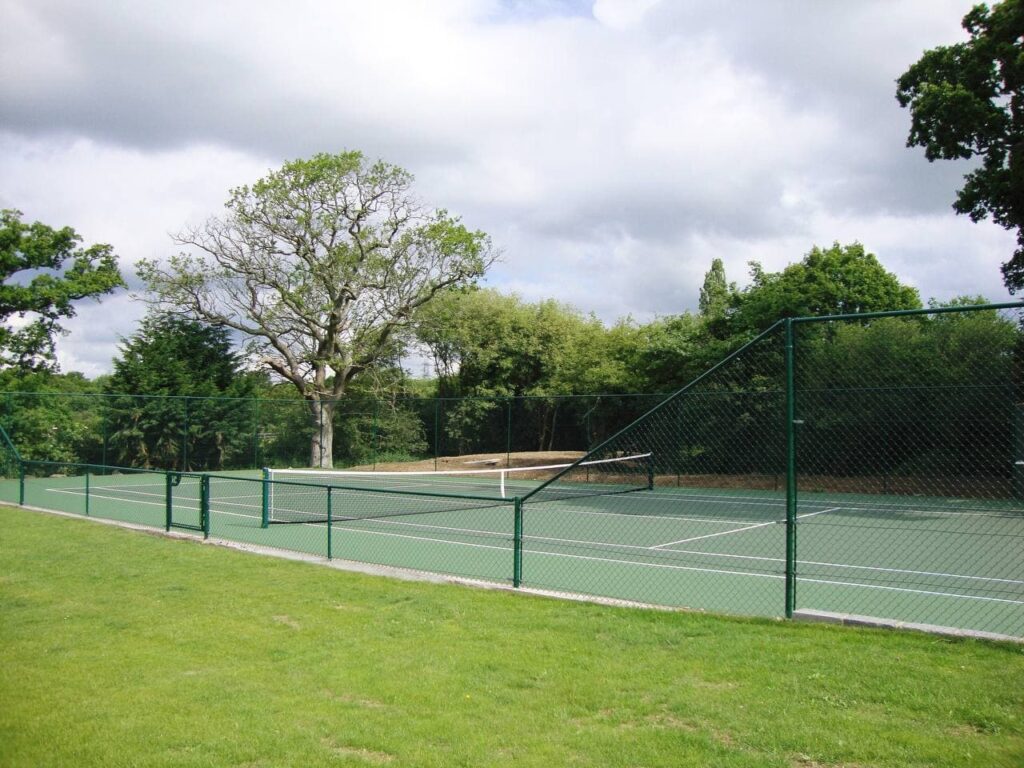
A high-quality tennis court is designed to provide consistent performance, safety, and durability. However, over time, even well-constructed courts can begin to show signs of cracking or surface failure. For court owners and facility managers across Wiltshire, understanding the underlying causes of these issues is essential for protecting the court surface and planning effective maintenance or refurbishment.
This article explains the most common reasons tennis courts develop cracks or surface deterioration and why early intervention is so important.
Ground Movement and Sub-Base Issues
Inadequate or Ageing Foundations
The performance of any tennis court depends heavily on the quality of its sub-base. If the ground beneath the court was not properly prepared or has weakened over time, movement can occur. This shifting places stress on the surface layer, often resulting in cracks that gradually widen if left untreated.
Natural Soil Expansion and Contraction
Soil naturally expands and contracts in response to moisture levels and temperature changes. In areas where ground conditions fluctuate, this movement can transfer directly to the court surface, leading to cracking and uneven areas.
Weather Exposure and Environmental Factors
Freeze and Thaw Cycles
Water that penetrates small surface imperfections can freeze during colder periods, expanding and forcing the surface apart. Repeated freeze and thaw cycles accelerate cracking and surface breakdown, particularly where drainage is less effective.
Prolonged Moisture Exposure
Standing water or poor drainage places ongoing stress on the surface. Over time, moisture weakens surface layers and bonding materials, increasing the likelihood of cracking, blistering, or delamination.
Wear From Regular Use
High Levels of Play
Tennis courts are subject to repetitive impact from foot traffic and play movements. Over time, this constant stress can wear down surface coatings and contribute to surface fatigue, especially in high-use areas such as baselines and service boxes.
Equipment and Maintenance Impact
Incorrect maintenance methods or inappropriate equipment can damage the surface. Abrasive cleaning, unsuitable line marking processes, or heavy machinery can weaken surface integrity and accelerate failure.
Ageing Surface Materials
Loss of Flexibility
As court surfaces age, materials can become less flexible. Reduced elasticity makes the surface more vulnerable to cracking when subjected to movement or impact.
Deterioration of Surface Layers
Over time, coatings and binders naturally degrade. When these layers lose cohesion, cracks can form and spread, leading to wider surface failure if maintenance is delayed.
The Importance of Early Assessment and Professional Care
Cracks rarely remain isolated issues. Once a surface begins to fail, water ingress and continued movement can cause damage to spread across larger areas of the court. Early professional assessment allows problems to be addressed before full surface replacement becomes necessary.
At Tennis Court Construction Wiltshire, we assess, construct, and maintain tennis courts across Wiltshire, UK, focusing on long-term surface performance and reliable construction standards.
Conclusion
Cracking and surface failure on tennis courts are usually caused by a combination of ground movement, weather exposure, surface wear, and material ageing. While these issues develop gradually, their impact can become significant if not addressed promptly.
If your tennis court in Wiltshire, UK is showing signs of cracking or surface deterioration, Tennis Court Construction Wiltshire can provide expert assessment and professional guidance to help protect the surface, restore performance, and extend the usable life of the court.
Call us on: 01722 548994
Click here to find out more about Tennis Court Construction Wiltshire
Click here to complete our contact form and see how we can help with your courts needs.