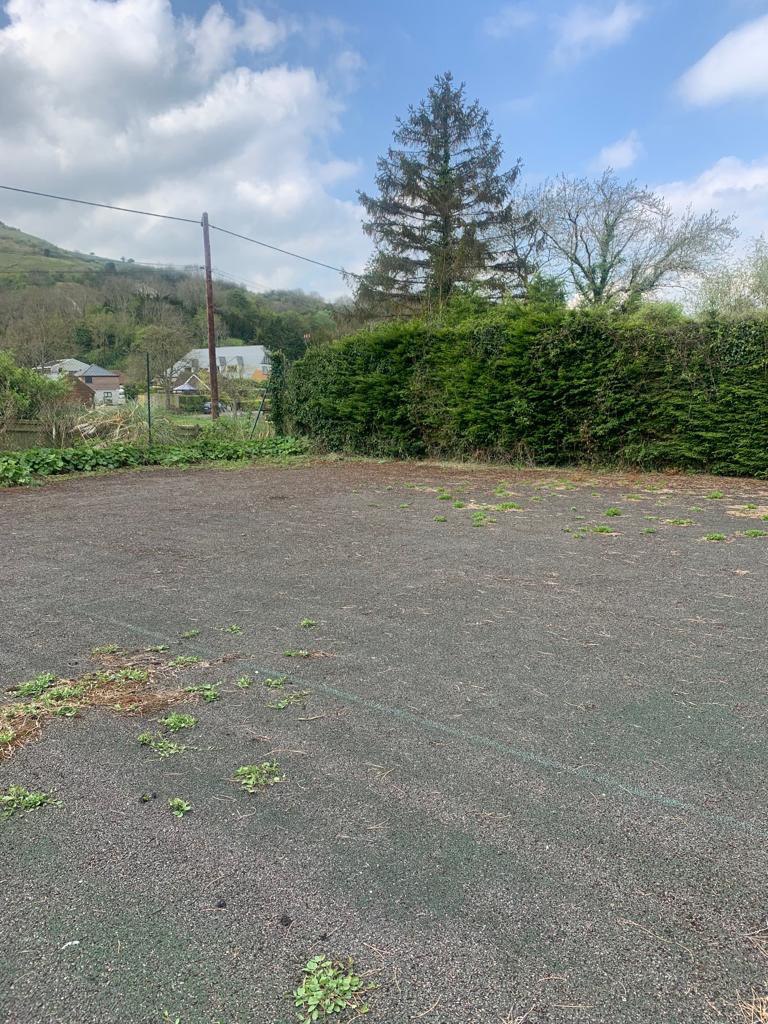
An ageing tennis court may remain playable long after its surface has started to deteriorate. However, cracks, loose material, standing water and worn coatings can affect grip, ball response and player confidence. These problems may become particularly noticeable when players change direction quickly or move towards the edge of the court.
Professional tennis court resurfacing can often restore a safer, more consistent playing surface. The existing court must first be assessed carefully, as resurfacing will only provide a dependable result when underlying defects are identified and repaired correctly.
How Tennis Court Resurfacing Can Improve Safety
Resurfacing restores the upper layers of an existing court, creating a more even and consistent playing area. The work can address surface wear, minor cracking, fading and a loss of texture, depending on the court’s construction and overall condition.
A successful project does more than improve appearance. It can help players move with greater confidence, make changes of direction more predictable and reduce the number of surface defects that could cause trips or unstable footing.
Restoring Consistent Grip
A tennis court requires sufficient texture to provide controlled grip without restricting natural player movement. Years of play and weather exposure can gradually wear the surface coating, leaving smooth or polished areas.
A loss of grip is often most noticeable around the baselines, service boxes and other heavily used sections. Resurfacing applies a new, purpose-designed playing surface with a consistent texture across the court. This helps reduce abrupt changes in traction between worn and less frequently used areas.
The court must still be maintained properly after resurfacing, as leaves, dirt and organic growth can make any outdoor surface slippery.
Removing Uneven and Loose Areas
Small depressions, raised edges and loose surface material can disrupt a player’s footing. They may also affect the bounce of the ball, making play less predictable.
Before a new surface is applied, damaged sections should be repaired and levelled. Loose material must be removed so that the resurfacing system can bond correctly. Careful preparation creates a stable base for the new finish and prevents existing imperfections from simply showing through.
Addressing Cracks Before They Worsen
Cracks are one of the clearest signs that an old tennis court needs professional attention. Narrow surface cracks may sometimes be repaired as part of resurfacing, but their cause must be considered first.
Cracking may result from:
- Natural ageing and weather exposure
- Movement within the underlying base
- Water entering beneath the surface
- Poorly repaired previous damage
- Vegetation growing through weak areas
- Movement around court edges
Covering active cracks without treating them properly is unlikely to produce a lasting improvement. A professional inspection can determine whether the cracks are superficial or evidence of a deeper structural issue.
Improving Surface Drainage
Standing water can make a tennis court slippery and accelerate deterioration. It may collect where the surface has developed depressions, where drainage outlets are blocked or where the original falls no longer move water efficiently.
Localised low spots can sometimes be corrected during preparation. The court’s drainage and surrounding edges should also be examined to establish whether water is entering or remaining on the playing surface.
Resurfacing cannot compensate for serious drainage or foundation defects. These issues should be corrected first so that the renewed surface can perform as intended.
Making Court Markings Clearer
Old court markings often become faded, broken or difficult to distinguish from the surrounding surface. While this may not create the same physical concern as a crack or slippery patch, unclear markings can make play less comfortable and cause hesitation during fast movement.
Resurfacing allows fresh line markings to be applied accurately over the renewed coating. Clear boundaries and service lines improve visibility and give the finished court a more professional appearance.
When Is Resurfacing the Right Solution?
Resurfacing is often suitable when the main court structure remains stable but the playing surface has become worn, faded or lightly damaged. Typical signs include:
- A smooth or inconsistent surface texture
- Minor cracks and worn coatings
- Faded court colours and line markings
- Small areas of surface fretting
- Uneven ball bounce caused by localised defects
- Reduced confidence in wet or damp conditions
The condition of the base is critical. If the court has widespread movement, deep depressions, extensive structural cracking or significant drainage failure, more substantial reconstruction work may be needed before a new finish can be applied.
What Does Professional Resurfacing Involve?
The precise process depends on the court type and its condition, but professional resurfacing commonly includes:
- Inspecting the surface, base and drainage
- Cleaning the court thoroughly
- Treating moss, algae and embedded contamination
- Repairing cracks and damaged sections
- Levelling suitable low spots
- Applying the appropriate resurfacing system
- Repainting accurate court markings
- Completing a final quality inspection
Preparation is essential. Applying a new coating over dirt, unstable material or untreated cracks may improve the court briefly, but it will not resolve the reason the surface deteriorated.
Why a Detailed Court Assessment Matters
Not every old tennis court needs the same treatment. Two courts with similar surface wear may have very different conditions beneath the visible layer. One may only require cleaning, repairs and resurfacing, while another may need drainage improvements or more extensive base work.
A detailed assessment helps separate cosmetic deterioration from structural failure. It also allows the resurfacing specification to be matched to the court’s construction, condition and intended use.
Conclusion
Resurfacing can make an old tennis court safer to use by restoring grip, repairing suitable defects, improving surface consistency and renewing faded markings. However, the quality of the result depends on proper preparation and an accurate understanding of any underlying problems.
Tennis Court Construction Wiltshire provides professional court assessments and resurfacing throughout Wiltshire, UK. If your tennis court has become worn, uneven or less comfortable to play on, contact our team to arrange an inspection and discuss the most suitable way to restore it.
Call us on: 01722 548994
Click here to find out more about Tennis Court Construction Wiltshire
Click here to complete our contact form and see how we can help with your courts needs.